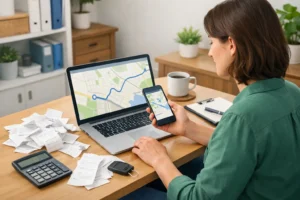
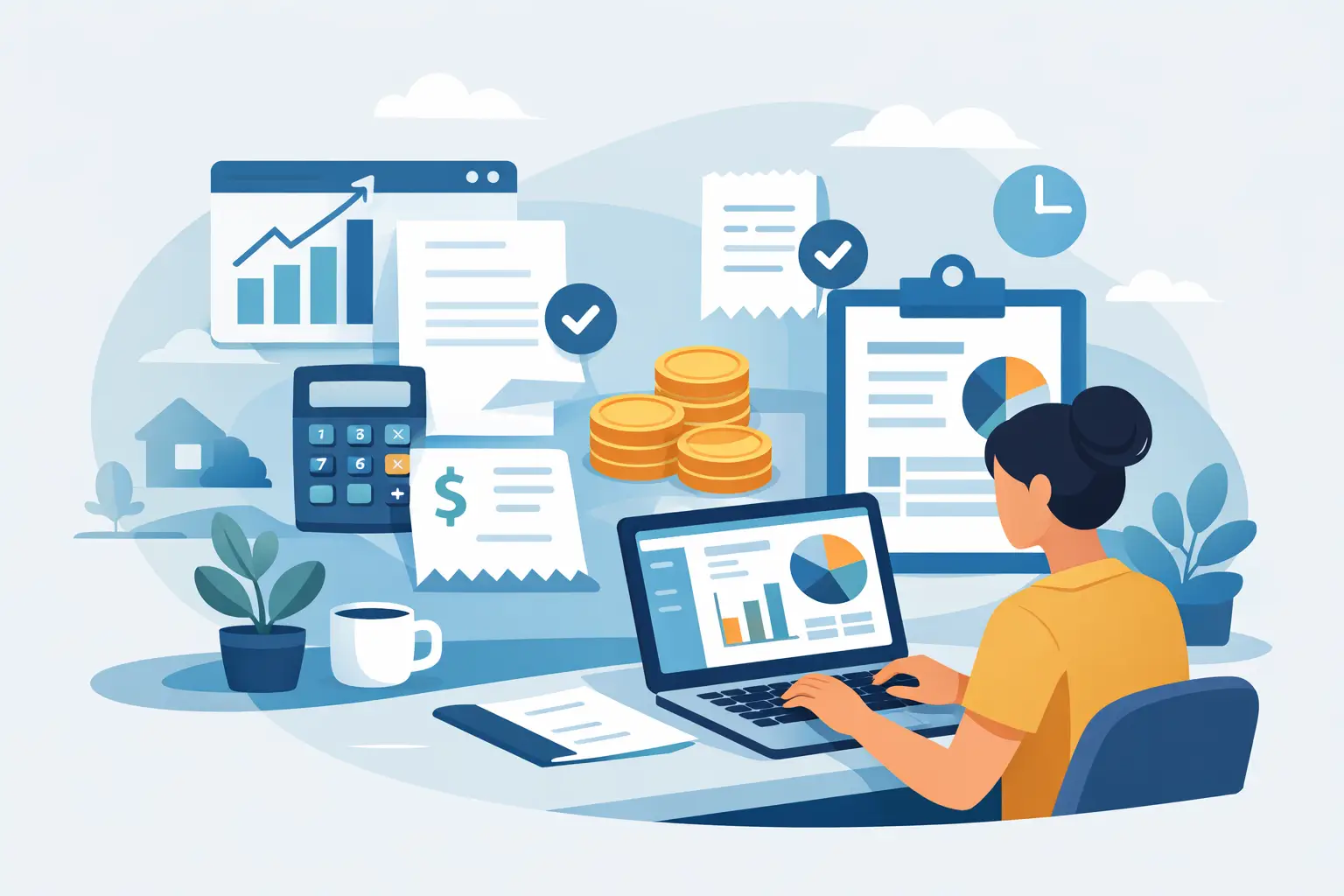
If your idea of bookkeeping is a pile of receipts in the glove box, a few bank alerts on your phone, and a promise to sort it all out later, you are not alone. Many people looking for bookkeeping software for sole proprietors are not trying to run a finance department. They just want a clear way to track money coming in, money going out, and what they might owe at tax time.
That matters whether you are a realtor paying for signs and gas, a truck driver tracking fuel and repairs, or a freelancer trying to separate client payments from personal spending. The best software for a sole proprietor should make those everyday tasks easier, not add more work.
What sole proprietors actually need
A sole proprietor usually has simple bookkeeping needs, but simple does not mean unimportant. You still need records that are organized, accurate, and easy to review. If you wait until month-end or tax season, bookkeeping starts to feel bigger than it really is.
Good software helps you stay current in small steps. You record income when you get paid, save expenses when they happen, and keep an eye on unpaid invoices or bills. Over time, that creates a reliable picture of your business without forcing you to learn accounting language you never wanted to learn in the first place.
For most solo business owners, the basics matter most. You need to track income, expenses, sales tax or input tax if it applies to you, and transfers between accounts. If you send invoices, it helps to see what is still unpaid. If you pay vendors or regular bills, it helps to know what is coming due.
Why many accounting tools feel like too much
A lot of business software is built for larger companies. That usually means more menus, more reports, more setup, and more terms that make beginners freeze up. If you are a landlord with a few properties or a rideshare driver working on weekends, you may not need a system designed for a team, payroll department, and inventory warehouse.
That is where frustration starts. People open a complicated platform expecting help and end up wondering whether they are categorizing things the right way, posting entries properly, or missing features they do not even understand. The result is often the same: they avoid the software and fall behind.
The better fit is usually a tool built for small service-based businesses and independent workers. When the design is simpler, it is easier to build a habit. And bookkeeping is mostly about habit.
How to choose bookkeeping software for sole proprietors
The right choice depends on how your business works. A cleaner who mainly needs expense tracking has different needs than a consultant who sends monthly invoices. A real estate agent may want simple records for mileage, commissions, and marketing costs. A handyman may care more about logging materials and job payments quickly from a phone.
Still, a few things are worth looking for in almost any bookkeeping software for sole proprietors.
Ease of use comes first
If the software feels confusing on day one, it probably will not get better just because you spent more time with it. Look for plain language, a simple dashboard, and tasks that match how you already think about your business. You should not need formal bookkeeping training to enter a payment or record an expense.
A good test is this: could you explain how to use it to a friend in two minutes? If not, it may be more system than you need.
Income and expense tracking should be quick
This is the core job. You need to record what you earned and what you spent without opening six different screens. If you can do that quickly, you are much more likely to stay consistent.
For example, a freelance designer might want to log a client payment right after it hits the bank. A truck owner-operator may need to enter fuel, tolls, and maintenance as the week goes on. Fast entry matters because real life is busy.
Tax tracking should be clear, not scary
You do not need software that pretends taxes are simple for every situation. You do need software that helps you keep better records so tax time is less stressful. That might include tracking sales tax, GST, HST, or input taxes, depending on where and how you operate.
The key is visibility. You should be able to see what has been collected, what has been paid, and what records you may need to review with an accountant or tax professional.
Receivables and payables can save you from surprises
Even very small businesses benefit from knowing who owes them money and what they still owe others. If you are an independent contractor waiting on a client payment, or a landlord managing recurring property expenses, those reminders make a difference.
You do not need a huge system for this. You just need enough structure to avoid forgetting a bill or losing track of an invoice.
Cloud access helps real businesses stay current
Sole proprietors are rarely sitting at a desk all day. A rideshare driver may want to check records between trips. A realtor may need to review a number while out showing properties. A cleaner may enter expenses at night from a phone or tablet.
Cloud-based software makes bookkeeping easier to keep up with because your records are available wherever you are. That convenience is not just nice to have. It often determines whether the books get updated at all.
Features that are helpful and features that are just noise
Some features sound impressive but do not matter much to a one-person business. Others quietly make life easier every week.
Helpful features usually include simple expense entry, invoice tracking, tax tracking, transfers between accounts, and easy reporting. Support also matters more than many people expect. When you are unsure how to record something, having real help available can keep you moving instead of guessing.
On the other hand, features built for larger operations can become clutter. If you are not managing employees, inventory, multiple departments, or advanced workflows, those extras may just make the software harder to use.
This is one of the biggest trade-offs. A bigger system may promise to do everything, but many sole proprietors do better with software that does fewer things clearly.
A simpler setup often leads to better bookkeeping
Many small business owners think they need to become better at bookkeeping before they can use bookkeeping software. Usually, the opposite is true. When the software is simple, it teaches you a workable routine.
That might mean checking your records once a week, entering missing expenses, matching up income, and looking at what is unpaid. A short routine is easier to keep than a complicated monthly cleanup session.
This is why single-entry bookkeeping appeals to many sole proprietors. It reflects the way small operators actually think about money. You earned this. You spent that. You moved money from one account to another. You are waiting on this invoice. For many micro-businesses, that level of bookkeeping is enough to stay organized and prepared.
One example of this simpler approach is Pro Ledger Online, which is designed for people who want practical bookkeeping without getting buried in accounting terms. That kind of fit can matter more than a long list of advanced features.
When affordability matters, simplicity matters too
Most sole proprietors are watching costs closely. But low price alone is not the best deal if the software wastes your time or leaves you confused. The better question is whether the software helps you stay organized consistently.
A reasonably priced tool that you actually use is usually worth more than a premium platform full of features you ignore. If a free trial is available, it can help you answer the real question quickly: does this feel manageable for me?
During a trial, try a few real tasks. Record an expense. Enter income. Check whether the layout makes sense. See if the reports are easy to read. If you feel calmer after ten minutes, that is a good sign.
The best choice depends on your business rhythm
There is no single perfect system for every sole proprietor. A landlord with regular rent payments may want simple recurring records and expense tracking. A freelancer may care more about invoices and client payments. A truck driver may need a fast way to capture frequent operating expenses. It depends on what you do every week, not what software marketing says you should care about.
The best bookkeeping software for sole proprietors is usually the one that feels clear enough to use regularly, affordable enough to keep, and simple enough that you do not avoid it. If it helps you understand your numbers without making you feel like you need an accounting course, it is probably a strong fit.
You do not need perfect books by tonight. You just need a system you can keep up with, one transaction at a time.